Your Guide to Evidence-Based Mood and Tension Screenings
- 15 December 2025
What This Screening Is and Why It Matters
Reliable mental health screeners give people a structured way to reflect on symptoms that can otherwise feel amorphous. Instead of trying to remember every difficult moment, a short questionnaire turns day‑to‑day experiences into patterns that can be discussed with a professional. These tools are not diagnostic on their own, yet they act like a compass, helping you notice direction and intensity so you can choose the next step with more confidence. If you’re supporting a friend or coworker, a shared vocabulary from a standardized screener can also make conversations clearer and kinder.
Many readers appreciate that modern self‑assessments are quick, accessible, and designed with plain language. Within that landscape, a balanced screen such as the depression anxiety stress test can highlight how different mood domains interact, which is useful when deciding whether self‑care, workplace adjustments, or a clinical consultation should come first. Remember that any online questionnaire should be complemented by professional guidance, especially if your symptoms are intense or rapidly worsening.
- Screenings organize experiences into measurable domains.
- Results offer a starting point for action, not a medical diagnosis.
- Short, repeatable formats help you track change over time.
- Privacy matters; use reputable platforms and protect your data.
How the Questionnaire Works: Items, Scales, and Time Frames
Most evidence‑based screeners ask you to rate how often certain statements have applied to you over a recent period, such as the past week. Items cover emotional states, physical sensations, thoughts, and behaviors. You select a response on a Likert scale (for example, “never” to “almost always”), and the tool sums scores in each domain. Thoughtful instruments are designed to be sensitive without being overwhelming, so they avoid jargon and invite honest reflection in just a few minutes.
Because clarity matters more than complexity, an anxiety stress depression test typically uses consistent response options, straightforward wording, and a stable time window so comparisons across days or weeks remain meaningful. Good practice includes taking the screener at a similar time of day, in a calm space, and without rushing. That way, your ratings reflect your internal state rather than the noise of a hectic environment or a distracting notification.
- Choose a quiet setting and silence alerts before you begin.
- Read each item carefully and answer based on the specified time frame.
- Avoid overthinking; first impressions often capture trends well.
- Repeat at planned intervals if you’re monitoring progress.
Scoring, Interpretation, and Evidence You Can Use
After you complete the items, the system aggregates responses into separate domain scores. Those domain totals are then compared to established ranges that indicate typical, mild, moderate, or severe levels. Interpreting results is about patterns, not labels; a higher score in one area may call for targeted coping skills, while broadly elevated scores could suggest scheduling a comprehensive evaluation. It’s also wise to note context, sleep loss, medical conditions, medications, and major life events can influence how you respond to items.
| Domain | What higher scores often reflect | Examples of supportive next steps |
|---|---|---|
| Low mood | Persistent sadness, loss of interest, fatigue | Schedule a clinical screening; plan small, rewarding activities |
| Worry | Restlessness, tension, racing thoughts | Try diaphragmatic breathing; consider CBT‑based resources |
| Physiological stress | Irritability, overarousal, poor sleep | Reduce stimulants; practice wind‑down routines and movement |
If you’re tracking change across weeks, pairing your scores with a brief journal can reveal triggers, supports, and trends that numbers alone might miss. In that spirit, many people find that completing a stress anxiety depression test at the same time each week makes comparisons clearer and discussions with a clinician more efficient. Always seek urgent help if you experience thoughts of harming yourself or others, or if distress escalates rapidly.
- Use consistent conditions when re‑testing to improve reliability.
- Discuss results with a licensed professional for clinical context.
- Note sleep, nutrition, and substance use as potential confounders.
Benefits, Use Cases, and Workplace Well-Being
Self‑assessments deliver practical benefits when integrated thoughtfully into everyday life. They nudge self‑awareness, surface early warning signs, and validate when you’re doing better than you might feel. For caregivers and team leaders, standardized language reduces guesswork and focuses attention on supportive actions rather than speculation. In educational settings, screeners can inform referrals, study‑life balance strategies, and campus resource planning while respecting privacy.
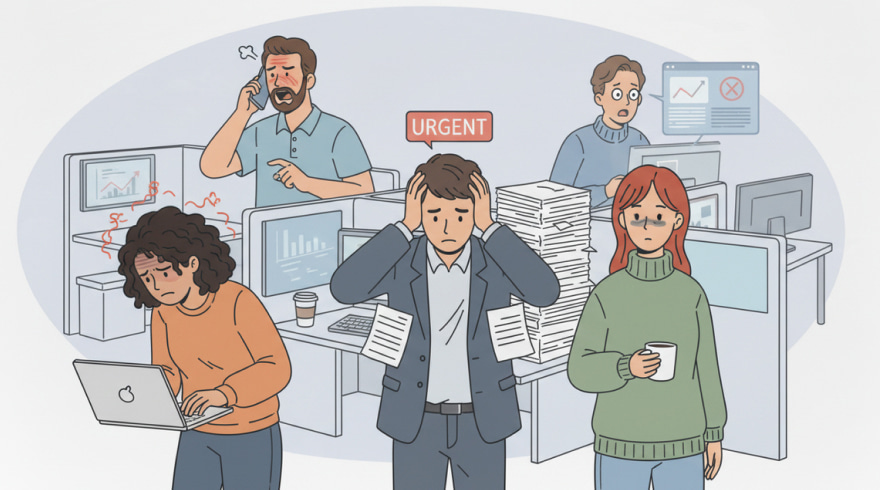
For professionals navigating deadlines and busy calendars, noticing patterns of work stress anxiety can catalyze boundary‑setting, workload negotiations, or experiments with recovery breaks. Organizations gain value by pairing anonymous aggregate screening with evidence‑based interventions, such as manager training on psychological safety, flexible scheduling pilots, and access to confidential counseling. The aim is not to pathologize normal pressure but to prevent chronic strain from eroding health, performance, and morale.
- Early detection supports faster, more targeted care.
- Regular check‑ins make progress visible and motivating.
- Shared metrics help teams align around realistic expectations.
- Privacy‑first approaches build trust and participation.
FAQ: Common Questions
Is an online screening the same as a diagnosis?
No. A questionnaire is a preliminary indicator that helps you decide whether to seek a professional evaluation. Only a qualified clinician can make a diagnosis after a comprehensive assessment that considers history, context, and differential possibilities.
How often should I retake a screener?
For most people, weekly or biweekly check‑ins strike a balance between sensitivity and stability. More frequent use may capture noise from daily fluctuations, while longer gaps can miss important changes. Follow your clinician’s guidance if you’re in treatment.
What should I do if my scores are high?
Prioritize safety and reach out to a licensed professional. If you’re in immediate crisis, contact local emergency services or a crisis hotline in your region. While waiting for care, lean on supportive routines such as sleep hygiene, hydration, movement, and connection with trusted people.
Are these tools appropriate for students and older adults?
Yes, when the language is clear and the time frame is appropriate. Many tools are validated across age groups, but accessibility features, translations, and cultural relevance still matter. If you have visual, cognitive, or language needs, choose a format that fits you.
Where can I find a reputable option that covers multiple domains?
If you prefer a short, well‑structured format, a translation‑verified resource offering a stress depression anxiety test can be a practical starting point before a clinical appointment. Always check the publisher, look for validation details, and review privacy policies before sharing any information online.
Latest News
-
![The Science, Signals, and Upsides of Work Stress]()
- 17 December, 2025
-
![Understanding a Stress Assessment Questionnaire: A Complete Guide]()
- 16 December, 2025
-
![Burnout from Chronic Stress: A Comprehensive Guide and Practical Tools]()
- 12 December, 2025