Burnout from Chronic Stress: A Comprehensive Guide and Practical Tools
- 12 December 2025
What Burnout Really Is and Why It Spreads
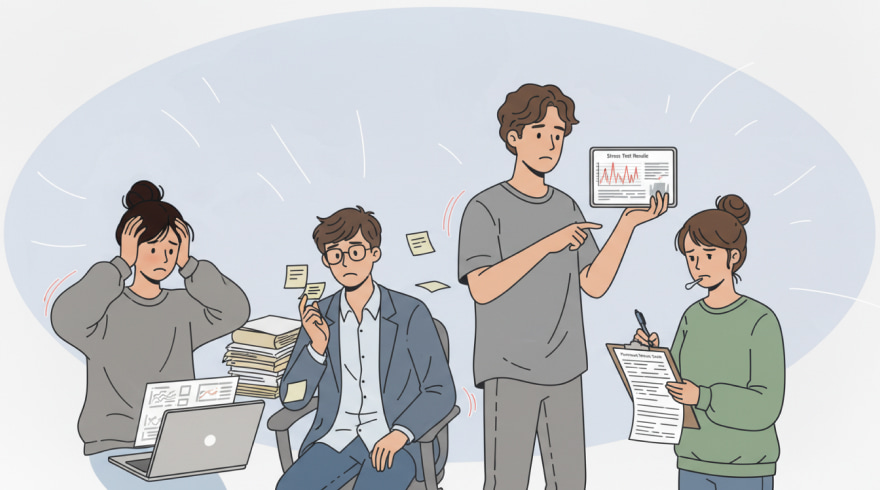
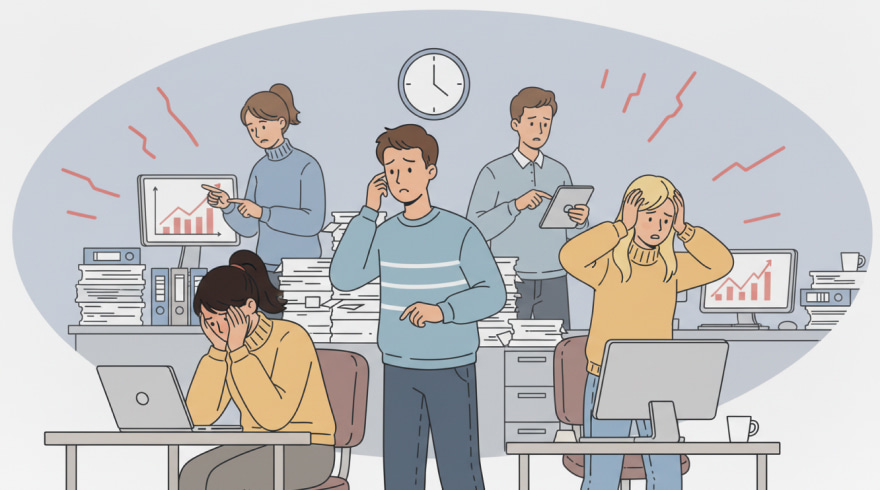
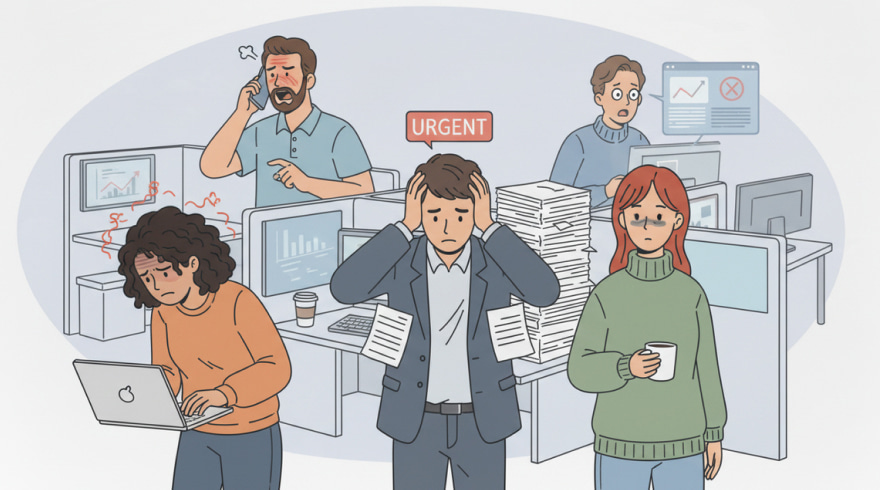
Burnout is not simple tiredness; it is a multidimensional syndrome that reshapes how the brain and body handle pressure over time. People often describe a creeping sense of depletion, cynicism toward tasks they once enjoyed, and a shrinking capacity to concentrate or care. Unlike a rough week, this state persists and expands, quietly fraying motivation and eroding confidence. The condition emerges from prolonged mismatch between demands and resources, and it tends to escalate when recovery windows are neglected or when values clash with daily realities.
Researchers increasingly group chronic exhaustion, depersonalization, and reduced efficacy under the umbrella of stress burnout as they examine overlapping mechanisms across workplaces and caregiving roles. Neurobiological studies suggest altered stress-hormone rhythms, sleep fragmentation, and attentional bottlenecks that magnify errors and conflict. Psychologically, rumination feeds emotional detachment, while perfectionism and overcommitment drive people to push past limits. Social context matters too: invisible labor, inequity, or unstable expectations accelerate unraveling, even in high-performing teams.
- Burnout unfolds gradually, often disguised as “being busy,” until performance and mood drop.
- Energy, empathy, and executive function can all wobble, amplifying mistakes and rework.
- Left unchecked, the pattern can interact with anxiety, insomnia, and physical symptoms.
Early Signs, Subtle Cues, and When to Act
The earliest indicators are often quiet: a heavier sigh before routine tasks, delayed responses to messages, or a growing habit of postponing decisions. People may notice irritability at small hassles, an unusual desire to withdraw from colleagues, or a blunted sense of accomplishment. Morning fatigue that doesn’t lift after coffee, or a Sunday-night dread that lingers, can also signal trouble. These cues are significant not because they are dramatic, but because they repeat and intensify across days and weeks.
Physiologically, sleep becomes more restless, headaches or muscle tension creep in, and appetite swings appear. Cognitive bandwidth narrows, making prioritization feel like slogging through mud. Emotionally, there can be oscillation between numbness and volatility, and a nagging belief that “no effort will ever be enough.” The right moment to act is earlier than most people think: when small frictions become routine, not only when collapse is imminent. Timely adjustments can prevent deeper impairment and shorten recovery.
- Watch patterns, not one-off bad days, to gauge momentum.
- Capture two or three objective signals (sleep, focus time, irritability) to reduce guesswork.
- Involve a trusted peer or mentor to compare impressions and avoid blind spots.
Root Causes: Demands, Constraints, and Systemic Drivers
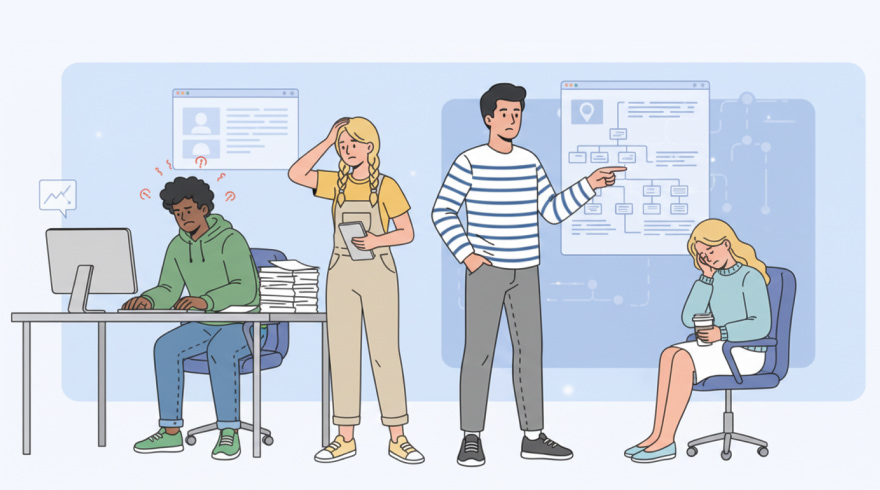
Burnout emerges where high demands meet constrained control, scarce support, and chronic value conflict. Workload spikes matter, but so do invisible forces: unclear priorities, shifting goalposts, fragmented processes, and tooling that creates friction instead of flow. Reward systems can inadvertently promote heroics over sustainable pace, while meeting overload drains focus needed for deep work. Outside the office, caregiving responsibilities, financial pressure, and social isolation add cumulative strain that undermines resilience.
Culture is a powerful accelerant. When people feel unsafe to say “no,” when feedback is weaponized, or when leaders model perpetual availability, boundaries dissolve. Poor role clarity and limited autonomy compound fatigue, as does inequity that forces some to expend extra effort to be heard. Misalignment between personal meaning and daily tasks erodes motivation layer by layer. Effective prevention therefore requires multi-level interventions: individual skills for energy management, team norms that protect focus, and organizational design that reduces unnecessary toil.
- Demand-to-resource ratio: balance workload with time, tools, and clarity.
- Control and autonomy: increase decision latitude where possible.
- Fairness and recognition: align incentives with consistent, humane expectations.
Measurable Indicators and Self-Assessment You Can Use
Clarity grows when feelings are translated into observable signals. Start by selecting a short list of indicators you can track weekly: restorative sleep hours, minutes of deep work, perceived emotional energy, and frequency of rumination. This small dashboard will reveal patterns faster than memory alone. As trends emerge, calibrate thresholds: identify green, amber, and red zones for your current season rather than chasing perfection.
Many readers appreciate using a brief stress burnout questionnaire to transform diffuse feelings into trackable signals that guide the next step. Combine standardized prompts with personal metrics: for example, pair a validated exhaustion scale with your calendar data to see how workload interacts with mood. Review results alongside context, project cycles, life events, and health factors, to avoid overreacting to a single week. The goal is to inform compassionate decisions, not to grade yourself harshly.
| Signal | What It Feels Like | Practical Metric | Suggested Action |
|---|---|---|---|
| Emotional Energy | Flat mood, reduced enthusiasm | Daily 1–10 rating, weekly trend | Schedule micro-recovery breaks; add one nourishing activity |
| Cognitive Focus | Fragmented attention, easy distractibility | Minutes of uninterrupted deep work | Time-block focus windows; prune low-value meetings |
| Sleep Quality | Non-restorative sleep, frequent wake-ups | Sleep duration and consistency | Set cutoff times; optimize wind-down routine |
| Stress Reactivity | Overreaction to small setbacks | Count of “spike” moments per day | Insert 90-second breathing reset after triggers |
| Workload Fit | Mismatch between tasks and strengths | % time on energizing work | Negotiate scope; batch admin; delegate where feasible |
- Interpret numbers in context, not isolation, to prevent false alarms.
- Track weekly, not hourly, to encourage perspective and consistency.
- Share trends with a manager or clinician when patterns persist.
Benefits of Proactive Recovery and Prevention
Taking early, deliberate steps yields outsized advantages that extend far beyond feeling “less tired.” People who build sustainable rituals often report sharper focus, steadier mood, and more reliable follow-through on commitments. By restoring capacity, you reduce rework, errors, and interpersonal friction, which in turn frees time for creative problem-solving. Health benefits follow as sleep normalizes, inflammation markers subside, and the nervous system spends more time in recovery states that facilitate learning and memory consolidation.
There are relational and career dividends as well. Clear boundaries and honest capacity signals foster trust, while healthier teams collaborate with fewer hidden resentments. Leaders who model sustainable pace set cultural norms that make high performance repeatable rather than episodic. Over the long run, proactive care protects identity: you preserve curiosity and purpose instead of letting them be replaced by cynicism. The return on investment compounds because each restored hour of genuine focus is worth multiple hours spent in a fog.
- Improved execution quality and fewer avoidable mistakes.
- Greater emotional agility under pressure and faster recovery after setbacks.
- Stronger alignment between values and day-to-day effort, making work feel meaningful again.
Evidence-Based Strategies That Actually Work
Effective solutions blend personal experiments, team agreements, and structural fixes. Begin with load shaping: prune low-value commitments, batch similar tasks, and establish start–stop boundaries visible to colleagues. Protect focus with time-blocking, notification hygiene, and meeting hygiene (tighter agendas, fewer attendees, clearer decisions). Then amplify recovery: prioritize consistent sleep windows, movement you enjoy, daylight exposure, and short breaks between cognitively demanding blocks.
For those who like interactive learning, a short stress burnout quiz embedded in a weekly check-in can reinforce awareness without becoming an obsession. Complement this with reflection prompts that ask what energized you, what drained you, and what to change next week. Social support magnifies results: pair up with a peer for accountability, and, when appropriate, involve a clinician or coach for specialized guidance. At the organizational level, push for process simplification, realistic planning horizons, and equitable recognition that rewards sustainable outcomes.
- Set two non-negotiables (sleep window, daily movement) before adding extras.
- Adopt a “less but better” planning cadence to prevent scope creep.
- Revisit capacity monthly; success depends on iteration, not brute force.
FAQ: Common Questions About Burnout
How do I differentiate burnout from ordinary fatigue?
Ordinary fatigue follows heavy effort and improves with short rest, while burnout persists, broadens to multiple domains, and often brings cynicism, detachment, and diminished efficacy. If recovery actions don’t restore baseline within a week or two, consider a structured plan and professional input.
Can high performers experience burnout even when they “love the work”?
Yes. Meaningful work protects motivation but can mask overload, especially when boundaries blur and recognition depends on constant availability. Love for the mission can coexist with depleted energy systems, so sustainable habits are still essential.
What role does sleep play in recovery?
Sleep is the foundation: it recalibrates stress hormones, consolidates memory, and restores emotional regulation. Consistent timing, adequate duration, and good sleep hygiene have multiplier effects on mood, focus, and decision quality.
When should I seek professional help?
Seek help if symptoms intensify, function declines, or if you notice anxiety, depression, or health changes such as persistent pain or significant sleep disruption. Clinicians can rule out medical contributors and tailor interventions to your context.
How can managers reduce burnout risk on their teams?
Clarify priorities, reduce pointless work, protect focus time, and model boundaries. Provide psychological safety for capacity conversations, and align recognition with sustainable, high-quality outcomes rather than visible overwork.
Latest News
-
![The Science, Signals, and Upsides of Work Stress]()
- 17 December, 2025
-
![Understanding a Stress Assessment Questionnaire: A Complete Guide]()
- 16 December, 2025
-
![Your Guide to Evidence-Based Mood and Tension Screenings]()
- 15 December, 2025