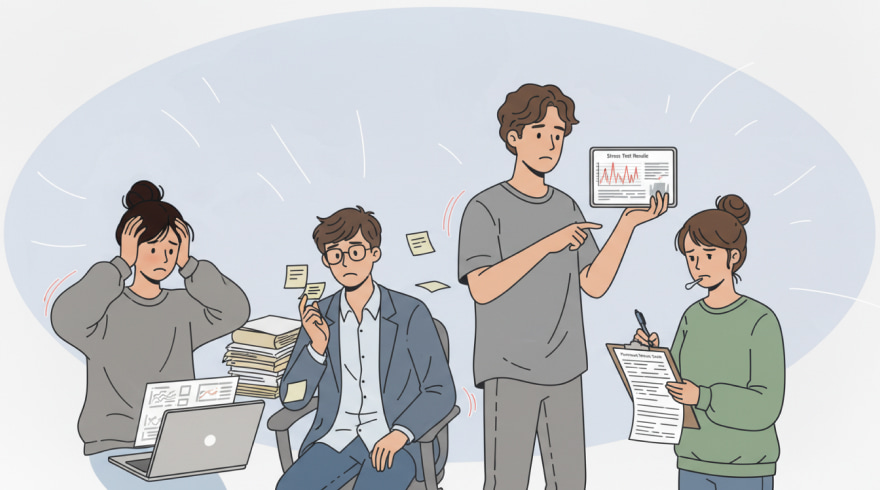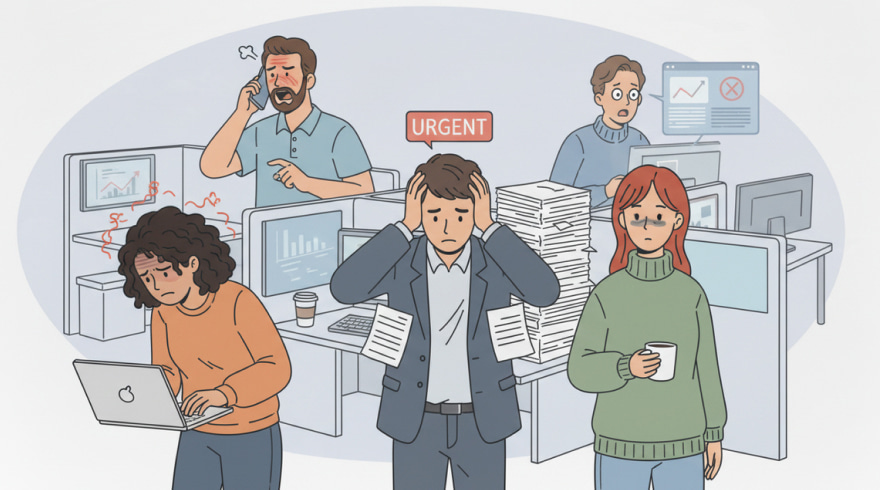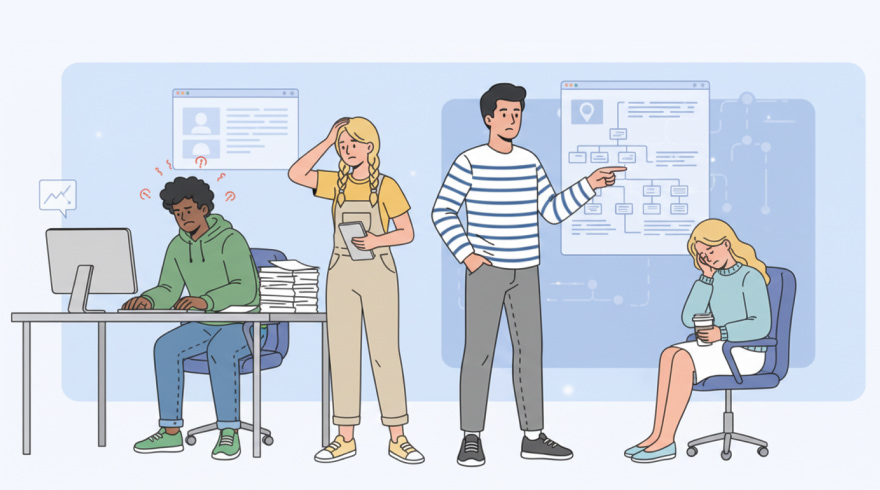
Understanding a Stress Assessment Questionnaire: A Complete Guide
- 16 December 2025
Why Measuring Stress Matters for Health, Performance, and Well‑Being
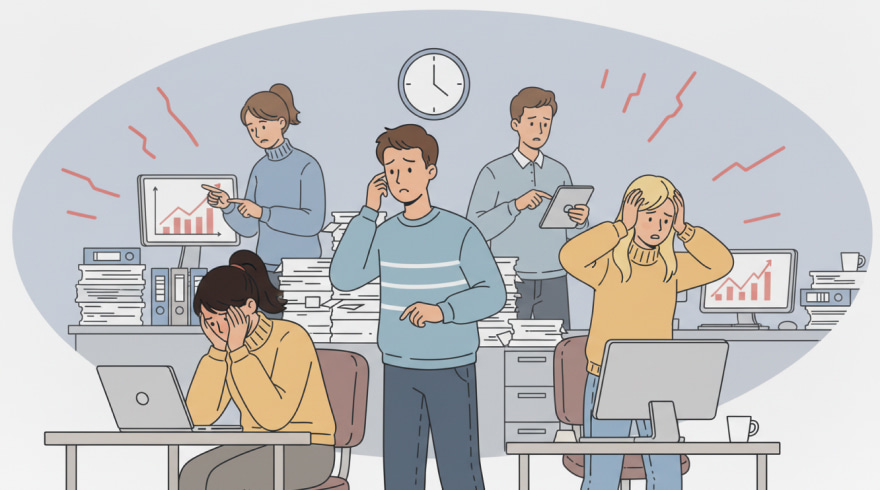
Modern life loads our nervous systems with nonstop demands, from relentless deadlines to shifting family responsibilities. When pressures stack up without relief, the body and mind adapt in ways that can impair focus, mood, and long‑term health. A structured self-report instrument helps translate those invisible strains into concrete indicators you can understand, track, and improve. By turning subjective feelings into data, you gain clarity about patterns that otherwise remain hidden in daily noise.
In practice, the stress assessment questionnaire transforms diffuse tension into measurable scales that illuminate triggers, coping capacity, and risk, enabling targeted choices rather than guesswork. These insights support earlier interventions, more effective routines, and productive conversations with clinicians or managers. Instead of waiting for burnout or conflicts to flare, individuals can recognize thresholds and recalibrate workloads, sleep habits, and boundaries before consequences compound.
When used consistently, trend lines reveal how seasons, projects, or personal changes influence your resilience. Some people learn that their pressure spikes during travel or after poor sleep; others notice that social support blunts reactivity and accelerates recovery. Over weeks, these discoveries help you refine rituals, breathwork, exercise, time-blocking, and restorative breaks, that foster equilibrium. Organizations benefit too, because aggregated insights inform humane policies that protect people while sustaining outcomes.
- Clarifies sources of strain (workload, uncertainty, interpersonal friction)
- Highlights protective factors (autonomy, support, skill fit)
- Enables proactive adjustments before health or performance decline
- Supports conversations grounded in data rather than assumptions
How a High‑Quality Instrument Works and What It Measures
A reliable tool blends psychometrics with practical language, ensuring results are both valid and easy to act upon. Items typically probe frequency, intensity, and impact across domains such as emotions, cognition, behavior, and physiology. Scales are often Likert‑based, letting you capture gradations instead of yes/no binaries. The result is a nuanced snapshot that differentiates transient strain from chronic overload.
Beyond total scores, subscales map the terrain of pressure, workload, control, fairness, value alignment, and recovery. Many instruments also examine sleep disruption, somatic tension, rumination, and irritability to detect warning signs early. To support change, feedback should translate numbers into plain‑language guidance you can apply this week, not just theoretical labels.
For day‑to‑day use, the stress questionnaire surfaces micro-patterns that pinpoint when to scale back commitments, renegotiate timelines, or schedule restorative practices. Regular cadence matters: brief weekly check-ins keep momentum, while deeper monthly reviews capture bigger cycles and confirm whether interventions are working. Over time, you’ll see which levers, nutrition, movement, focus rituals, or connection, drive the greatest improvements for your context.
Core Benefits and Real‑World Applications
The right instrument creates leverage: small insights compound into significant gains when they guide daily choices. Individuals use results to set boundaries, prioritize high‑impact tasks, and align schedules with natural energy rhythms. Clinicians use scores to monitor treatment response, while coaches tailor action plans that blend skills training, recovery tactics, and habit design. Teams apply aggregated insights to calibrate workloads and improve communication norms without exposing private data.
Researchers studying adaptation have shown that clarity reduces helplessness, which in turn lowers reactivity and preserves executive function during peak demand. In this context, analysts sometimes investigate questionnaire stress data to identify clusters of coping styles that respond differently to the same intervention. Those patterns help refine programs so people receive what actually helps them, not just generic advice. The payoff includes steadier focus, fewer errors, healthier sleep, and a stronger sense of control.
Above all, a clear baseline and steady check-ins convert reactive firefighting into preventive care. That shift protects morale, strengthens relationships, and keeps performance sustainable over the long run.
Choosing Formats, Comparing Tools, and Making Results Actionable
Selection starts with purpose: screening, monitoring, or deep diagnostics. Short forms boost adherence, while comprehensive inventories reveal finer distinctions. Consider language clarity, cultural validity, and accessibility across devices. Privacy should be non‑negotiable, with transparent data handling and clear consent. Feedback design matters as much as measurement; plain summaries, practical suggestions, and links to resources raise the odds you’ll act on the findings.
When burnout is suspected, a targeted instrument can complement general strain measures because it isolates exhaustion, cynicism, and efficacy loss. For that reason, a well-designed stress burnout questionnaire can sit alongside broader tools to paint a complete picture for high‑demand roles. The table below contrasts common formats so you can match the approach to your goals and context.
| Format | Typical Length | Best Use | Strengths | Considerations |
|---|---|---|---|---|
| Ultra‑short screener | 4–8 items | Quick weekly check‑ins | Fast, high adherence | Limited depth, coarse trends |
| General inventory | 15–30 items | Monthly monitoring | Balanced detail and time | May miss niche stressors |
| Burnout‑focused tool | 10–22 items | Exhaustion/cynicism profiling | Pinpoints burnout dynamics | Not a full stress map |
| Role‑specific measure | 12–28 items | Industry or job tailoring | High face validity | Less generalizable |
To turn results into progress, convert insights into commitments: adjust meeting loads, protect focus blocks, formalize recovery breaks, and build social support into calendars. Combine measurement with micro‑experiments, two weeks of earlier bedtimes, a midday walk, or a tighter task triage, to identify what reliably lowers strain without reducing impact.
Ethical Use, Confidentiality, and Integrating Results at Work
Measurement should empower, not expose. Clear consent, optional participation, and de‑identified summaries safeguard trust. Only aggregated data should inform team or organizational decisions, and access controls must prevent misuse. Interpreting scores requires humility: high strain can reflect systemic obstacles, not individual shortcomings. The goal is shared problem‑solving, better tooling, clearer priorities, and realistic timelines, so people can do their best work without sacrificing well‑being.
In organizational contexts, a thoughtfully implemented workplace stress questionnaire can illuminate patterns like overload at handoff points or chronic after‑hours communication, leading to specific fixes rather than vague pledges. Leaders should pair findings with visible actions, simplifying processes, redistributing demand, and resourcing critical roles. Progress accelerates when teams co‑design solutions and revisit metrics regularly to confirm change sticks.
- Protect privacy with clear policies and strict role‑based access
- Share only aggregated insights and avoid any punitive use
- Offer resources, training, coaching, and clinical support, alongside measurement
- Review trends quarterly and adjust practices in response to data
Handled responsibly, assessment becomes a catalyst for healthier cultures that value recovery as much as output, reinforcing a virtuous cycle of trust and performance.
FAQ: Practical Answers to Common Questions
How often should I complete a stress survey to get meaningful trends?
Weekly micro-checks paired with a fuller monthly review strike a good balance between signal and effort. The shorter cadence captures small fluctuations, while the deeper pass validates broader shifts and prevents false alarms. If your workload is highly cyclical, time the detailed review just before and after peak periods so you can see how recovery is tracking and whether adjustments are working as intended.
What should I do if my scores spike suddenly?
First, pause and reframe the spike as information rather than failure. Next, triage: reduce nonessential tasks, renegotiate timelines, and prioritize sleep, nutrition, and movement. In the following days, add social support and brief relaxation practices. If scores remain elevated for two to three weeks, consult a licensed professional who can assess context, rule out medical contributors, and tailor an evidence‑based plan.
Can a brief tool be as useful as a longer one?
Short instruments excel at adherence and rapid feedback, making them ideal for ongoing monitoring. They are most powerful when combined with occasional, deeper assessments that provide nuance and validate direction. Think of the quick version as your dashboard light and the longer format as the mechanic’s diagnostic, each has distinct value that becomes greater when used together.
How do I turn insights into concrete changes?
Translate each elevated domain into one small, time‑bounded experiment, protect a 90‑minute focus block, cap meetings, or insert a 10‑minute unwind ritual after work. Reassess in two weeks and keep what helps. For guidance on habit shifts and coping skills, many people benefit from a structured stress management questionnaire that pairs measurement with tailored strategies and practical next steps.
Is it safe to share my results with my manager or team?
Share only what supports your goals and comfort. Aggregated, de‑identified trends are best for team discussions, while personal details should remain private unless you choose otherwise. If you disclose selectively, frame needs as solutions, boundary agreements, resource requests, and process improvements, so the conversation stays constructive and focused on outcomes.
Latest News
-
![The Science, Signals, and Upsides of Work Stress]()
- 17 December, 2025
-
![Your Guide to Evidence-Based Mood and Tension Screenings]()
- 15 December, 2025
-
![Burnout from Chronic Stress: A Comprehensive Guide and Practical Tools]()
- 12 December, 2025