Online Stress Test: A Comprehensive Guide to Screening
- 11 December 2025
What Digital Stress Self-Assessments Measure
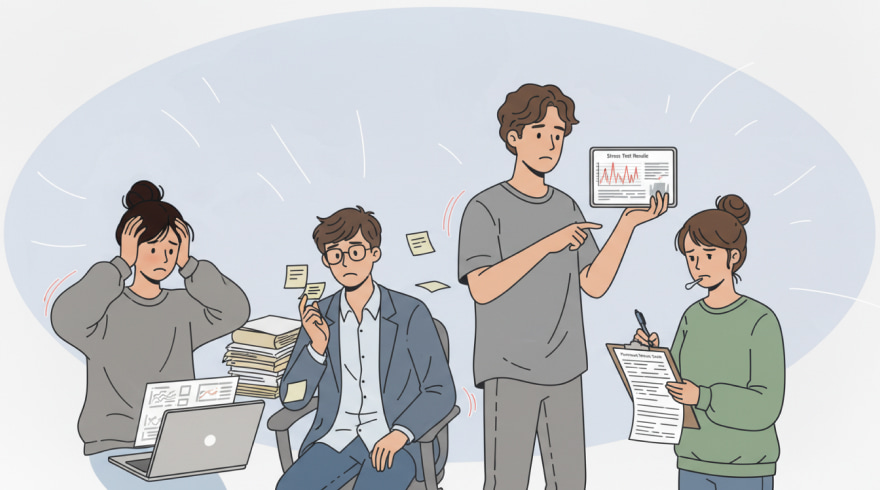
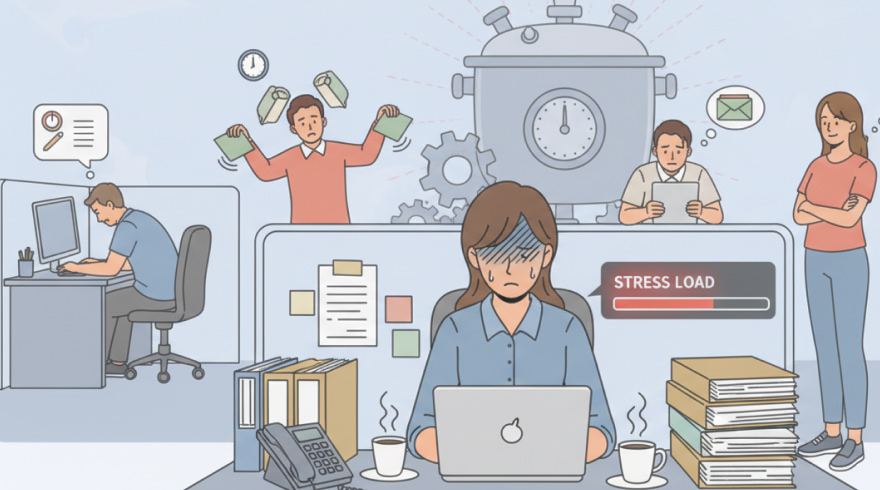
Modern stress self-assessments translate psychological theory into quick, structured questions that estimate your current load across mind and body. Instead of guessing, you respond to items about sleep quality, muscle tension, mood swings, rumination, irritability, concentration, and energy dips. Behind the scenes, scoring models draw on validated scales, transforming your answers into normalized ranges that are easy to read yet nuanced enough to signal trends. While no screening tool replaces a clinician, these instruments are designed to flag elevated strain early, prompt reflection, and suggest next steps before distress becomes disabling. The best tools are brief, mobile-first, and calibrated against diverse reference samples so results are meaningful for more people.
Beyond convenience, the real value comes from structured self-observation. Consistent prompts minimize blind spots, and repeating the same items over time reveals patterns that intuition often misses. Many people discover, after a few minutes of candid answers, that an online stress test feels less like an exam and more like a mirror. That feedback loop encourages micro-adjustments, like improving wind‑down routines or setting clearer boundaries, that compound into sizable relief. Importantly, ethical screeners frame results as informational insight, not diagnoses, and they signpost when to escalate to professional care, especially if you notice sharp spikes or safety concerns.
- Brief, evidence-aligned items that reduce response fatigue while preserving accuracy
- Clear score bands with plain-language explanations and context
- Item-level insights that highlight your most reactive domains
- Trend charts to visualize progress across weeks and seasons
- Guided next steps mapped to well-established coping strategies
Benefits, Use Cases, and What to Expect From Results
Screening yields leverage by turning vague unease into actionable information. Individuals can pinpoint stressors, employers can design smarter wellness initiatives, and educators can guide students toward timely resources. Immediate feedback helps you spot early warning signs, slipping sleep quality, escalating reactivity, or cognitive fog, so you can intervene with small, repeatable changes. Because these tools are accessible on any device, they lower the barrier to reflection, meeting people where they are, and offering a gentle nudge toward healthier routines rather than prescriptive mandates. Over time, that mix of measurement and micro-interventions supports resilience and prevents escalation.
| Purpose | Typical length | Scoring model | Output snapshot |
|---|---|---|---|
| Personal check-in | 2–5 minutes | Likert items with weighted domains | Overall stress band plus top triggers |
| Workplace screening | 5–8 minutes | Composite scores for workload, control, recovery | Anonymized team trends and heat maps |
| Clinical pre-visit | 7–10 minutes | Validated scales with clinical cutoffs | Structured summary for provider triage |
Use the output as a compass, not a verdict. Shifts of a few points week to week are common; what matters is directionality and the life context behind fluctuations. Pair your reading with restorative actions: better light exposure in the morning, brief movement breaks between meetings, and intentional transitions that signal the end of work. If scores stay elevated despite these changes, or if you experience persistent insomnia, panic episodes, or hopelessness, consider consulting a licensed professional who can assess for comorbidities and tailor care beyond self-help strategies.
- Daily micro check‑ins during busy seasons to catch stacked stress
- Return‑to‑work monitoring after illness, injury, or leave
- Academic crunch periods where focus and recovery matter
- Caregiver routines that require sustainable pacing
- Leadership roles balancing decision load with recovery windows
How to Interpret Scores and Turn Insight Into Action
Start by reading your overall band alongside subdomain highlights, since total scores can mask hotspots like sleep disruption or cognitive overload. Translate the numbers into hypotheses: which demands, environments, or habits correlate with spikes? Pair your hypotheses with a small experiment you can repeat for a week, earlier lights‑out, structured breaks, or a worry‑time journal, then retest to assess impact. Because these tools reflect the last few days, don’t overreact to a single reading; look for patterns across multiple checkpoints and factor in seasonal shifts, travel, and major life events.
Track your scores weekly to see if routines move the needle. In many cases, completing a stress test online can act as a baseline before deeper work and therapy. Use the narrative notes field, if provided, to log context, caffeine intake, screen time late at night, conflict at work, so you can separate signal from noise when you review trends a month later. When you see a meaningful improvement, anchor the habit that helped by scheduling it and reducing friction around it.
Create a protective routine that aligns with your constraints. Blend physical resets (brisk walks, stretches, heat or cold exposure), cognitive resets (reframing, values clarification, single‑tasking), and relational resets (asking for help, renegotiating deadlines). Practice short breathing patterns to quickly downshift, box breathing, 4‑7‑8, or resonance breathing at five to six breaths per minute. If elevated scores persist beyond two to three weeks, or if you experience intrusive thoughts or functional impairment, escalate to clinical care for assessment and a personalized plan.
Choosing a Trustworthy Assessment and Protecting Your Data
Select instruments with transparent origins, clear references, and published reliability. Look for citations, normative sample descriptions, internal consistency metrics, and information about how raw scores become categories. High‑quality providers explain limitations, avoid pathologizing language, and indicate when professional evaluation is warranted. They design for accessibility, use plain language, and adapt to different screens without compromising readability. Vendor transparency matters: you should be able to learn who built the assessment, how it’s maintained, and how feedback recommendations are curated and reviewed.
Data protection deserves equal attention. Reputable platforms use strong encryption in transit and at rest, minimize data collection, and separate personally identifiable information from responses whenever possible. Compliance frameworks such as SOC 2 or ISO 27001, plus clear GDPR and HIPAA statements where applicable, signal mature practices. Consent should be informed, revocable, and granular, with straightforward explanations about retention, deletion, and data portability. Review cookie and tracker disclosures, and avoid tools that require unnecessary account creation or sell aggregated insights without an opt‑out.
- Red flags: no citations, vague scoring logic, or unverifiable claims
- Hidden paywalls that block results after you complete items
- Opaque privacy policies or aggressive third‑party tracking
- One‑size‑fits‑all advice with no regard for severity or context
FAQ: Quick Answers to Common Questions
Are digital stress screeners accurate?
They can be highly informative when built on validated scales and maintained with rigorous quality control. Accuracy improves when you answer honestly, repeat the same instrument over time, and interpret results alongside context like sleep, workload, and health conditions. Treat the output as an early signal and seek professional input if elevated readings persist.
How often should I retake a stress assessment?
Weekly or biweekly is a practical cadence for most people, allowing enough time for habits to influence scores without losing momentum. For budget‑conscious readers, a free online stress test can provide a light monthly snapshot while you track bigger lifestyle changes across quarters. If your circumstances shift abruptly, new job, bereavement, acute illness, consider an extra check‑in to recalibrate.
What score indicates I need professional support?
Persistent high severity bands over two to three weeks, especially with impairing symptoms like insomnia, panic episodes, or withdrawal from usual activities, warrant consultation with a licensed clinician. Any thoughts of self‑harm, drastic functional decline, or sudden behavioral changes require prompt, in‑person evaluation regardless of screening results.
Is my data safe when I test on the web?
Look for clear privacy statements, end‑to‑end encryption, and recognized security audits such as SOC 2 or ISO 27001. You should be able to delete your data, export your history, and opt out of analytics that are not essential for delivering the assessment. Avoid tools that gate basic results behind invasive sign‑ups or share data with advertisers.
What’s the difference between quick quizzes and clinical instruments?
Quick quizzes are designed for rapid self‑awareness, using brief item sets and simple bands to nudge reflection and habit change. Clinical instruments are longer, anchored to peer‑reviewed thresholds, and intended to inform professional evaluation and treatment planning. Choose based on your goal: casual monitoring, structured self‑care, or a conversation starter with a provider.
Many people discover, after exploring options and comparing features, that thoughtful tracking plus small, sustainable changes deliver the strongest long‑term gains.
Latest News
-
![The Science, Signals, and Upsides of Work Stress]()
- 17 December, 2025
-
![Understanding a Stress Assessment Questionnaire: A Complete Guide]()
- 16 December, 2025
-
![Your Guide to Evidence-Based Mood and Tension Screenings]()
- 15 December, 2025