
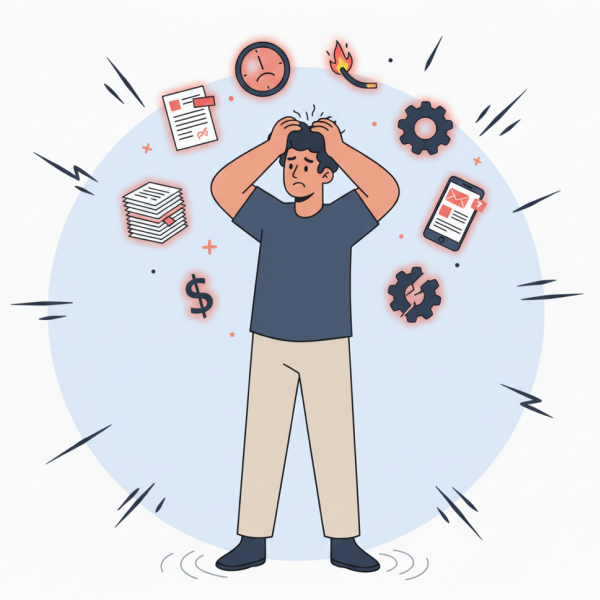
How Controlled Stress Reveals Mental Limits
When people hear about exercise-and-monitoring protocols, they often think of treadmill clinics and cardiac labs, yet the concept spans far more contexts than sports medicine. These evaluations examine how bodies and minds function when demand rises, revealing hidden limitations, adaptive capacity, and safety margins. By pushing systems in a controlled manner, clinicians and coaches can reveal early warning signs, calibrate training, and personalize recovery. The same logic also strengthens decision-making in fields as diverse as aviation, emergency response, and high-stakes teamwork, where precision under pressure matters.
In clinical conversations, practitioners frequently clarify what is a stress test so individuals understand why controlled exertion is useful. Beyond cardiology, endurance athletes rely on rigorously designed stress test procedures to gauge thresholds, pacing strategies, and recovery windows. Engineers and care teams use the broader term stress testing when discussing systematic evaluations under load, whether the focus is circulatory response, respiratory efficiency, or cognitive performance. Because risks must be minimized, protocols escalate demand gradually, apply clear stop criteria, and track multiple signals at once.
Overview of Common Stress Testing Approaches
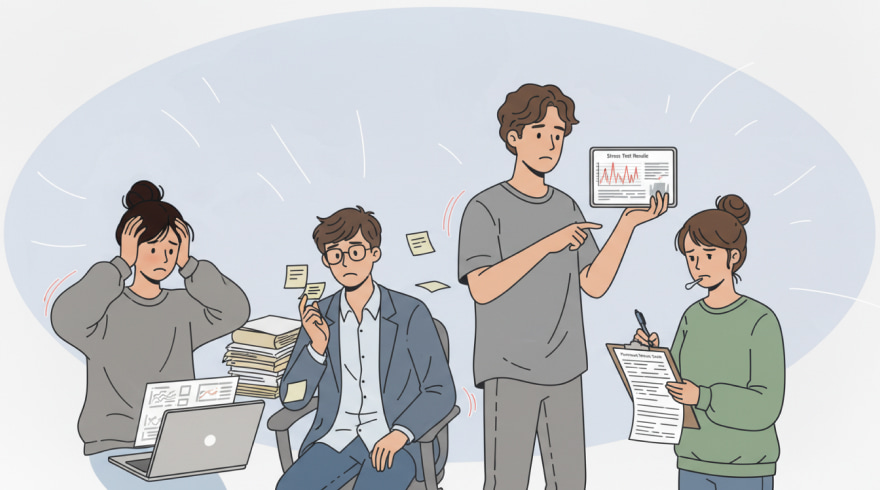
Clinicians interpret stress test results in context, aligning numbers with symptoms, medical history, and comparative norms for age and sex. Research groups compare multiple stress tests to understand how modality choice affects time-to-fatigue, oxygen kinetics, and recovery curves. Real-time monitors estimate stress level indirectly via heart rate variability, breathing patterns, and subjective exertion ratings, providing a composite picture rather than a single score. To help readers visualize distinctions among common approaches, the overview below summarizes key characteristics that shape selection and safety decisions.
| Protocol | Primary Focus | Typical Duration | Common Measurements | When It’s Preferred |
|---|---|---|---|---|
| Treadmill Ramp | Weight‑bearing endurance | 8–15 minutes | ECG, blood pressure, RPE, VO2 estimates | Ambulatory clients and runners |
| Cycle Ergometer | Controlled power output | 8–12 minutes | Wattage, lactate sampling, oxygen uptake | Balance concerns or orthopedic limits |
| Pharmacologic | Cardiac perfusion without exercise | Variable | Imaging perfusion, ECG response | Movement restrictions or acute injury |
| Step Protocol | Field-friendly screening | 3–6 minutes | Recovery heart rate, perceived exertion | Large groups and limited equipment |
After testing, experts translate numbers into plain language, tying data to everyday activities like climbing stairs, commuting by cycling, or returning to recreational leagues. Safety advice covers hydration, nutrition timing, and post-session cooldown to prevent dizziness or delayed-onset muscle soreness. Follow-up plans typically include progressive conditioning, posture and breathing drills, and sleep hygiene adjustments. Over time, repeated sessions create a trend line that helps quantify progress and refine goals with more precision.
- 1Design tasks with clear start and stop cues to anchor attention.
- 2Use rotation to balance cognitively heavy duties with lighter work.
- 3Encourage microbreaks that include breathwork or brief walks.
- 4Track workload trends to anticipate surge periods before they hit.
Early Warning Signs of Workplace Stress and Burnout
Organizations thrive when teams can sustain focus, collaborate effectively, and recover quickly after crunch periods. Supervisors who ignore early warning signs pay a price in errors, absenteeism, and morale. Practical safeguards include flexible task design, cue-based breaks, and healthy meeting rhythms that protect attention. Environmental tweaks such as lighting, airflow, and sound dampening also reduce physiological load, improving clarity of thought and decision quality across long shifts in demanding roles.
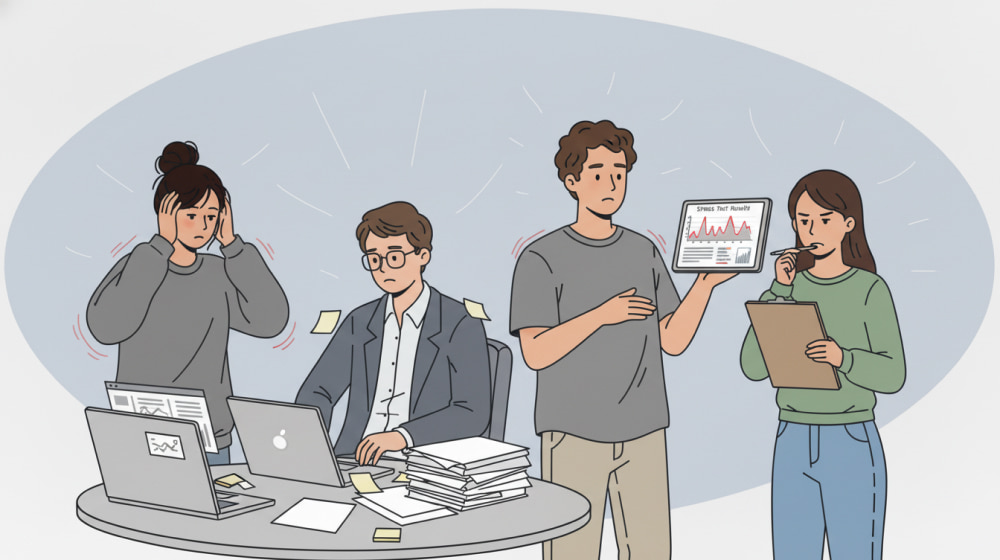
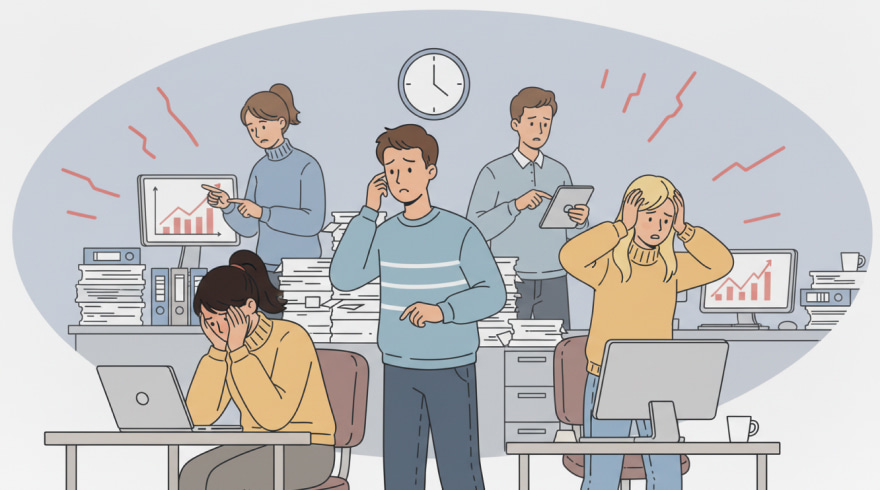
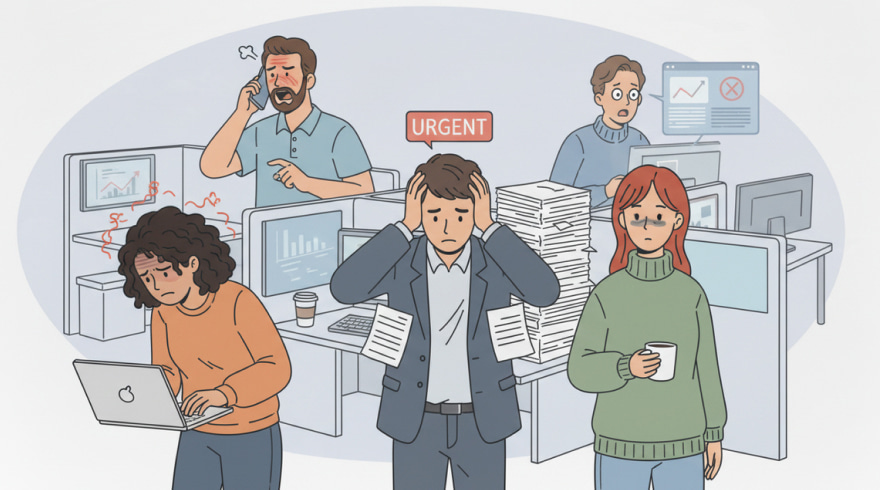
Managers who overlook work stress often see productivity fade and conflict rise, especially during deadline clusters. Safety programs that reconfigure schedules and corridors can cut down workplace stress by reducing crowding, noise spikes, and shift volatility. Coaching initiatives that personalize role clarity and feedback loops help shrink job stress while strengthening a sense of stability and control. Together, these levers raise sustained performance capacity, making peak periods more predictable and less draining for both individuals and teams.
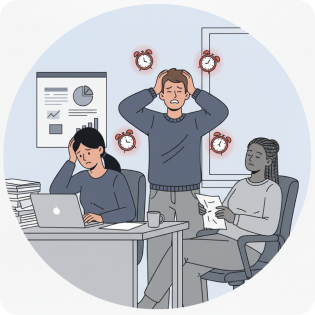
Clinicians and researchers frequently deploy the perceived stress scale to quantify how overwhelming daily hassles feel during typical weeks. A comprehensive stress assessment blends questionnaire data with biomarkers like heart rate variability and cortisol rhythms to triangulate patterns that may require targeted interventions. This integrated approach clarifies whether training intensity, workload design, or recovery rituals deserve priority, which keeps plans actionable and tailored to personal context rather than generic averages.
- 1Combine subjective ratings with wearable data for balanced insight.
- 2Review sleep regularity and caffeine timing when interpreting responses.
- 3Map weekly peaks and troughs to align challenging tasks with readiness.
- 4Reassess after incremental changes to confirm measurable progress.
Perceived Stress Scale: Instant Feedback
Smartphones and wearables have brought sophisticated monitoring to living rooms, job sites, and training spaces. Apps can guide warm-ups, manage cadence, and flag unusual trends that warrant professional review. Remote coaching enables iterative adjustments between formal lab sessions, helping people bridge the gap from data to daily action. When properly used, technology augments, not replaces, clinical judgment and well-trained coaches who can interpret patterns holistically.
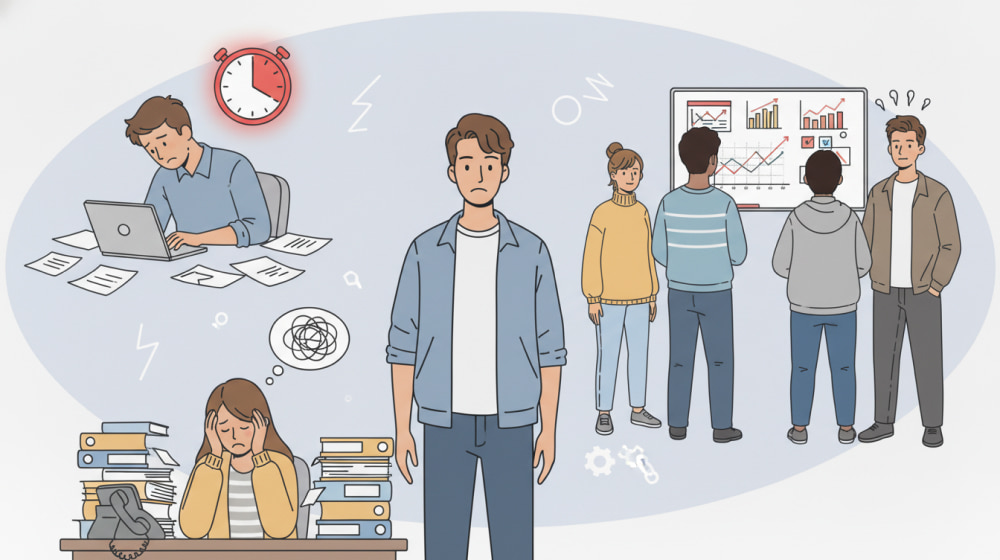
Many consumer platforms provide an online stress test that delivers instant feedback, context tips, and suggestions for next steps. Unchecked fatigue and chronic overload may creep toward stress burnout if recovery windows shrink and detachment becomes rare. Countermeasures include sleep regularity, meal planning for energy stability, and social connection that supports perspective during intense cycles. By pairing remote tools with recovery rituals, individuals can steer toward sustainable progress and resilience across months and years.
Frequently Asked Questions
- How often should someone repeat a lab-based evaluation?
Most healthy individuals benefit from an annual session, while those in targeted training or cardiac rehabilitation may schedule rechecks every 8–16 weeks to track adaptation. Timing should account for seasonality, medication changes, and recent illness to avoid confounding results. When in doubt, coordinate with a clinician who knows your history and current goals so adjustments are both safe and meaningful.
- Can mental health screenings be combined with performance protocols?
Combining physical testing with brief questionnaires can highlight relationships between mood, sleep, and exertion tolerance. Many clinics add a short instrument alongside cardiovascular measures to catch early signs that might influence adherence and recovery. In integrated settings, teams use this synthesis to tailor load progression while also reinforcing coping skills and restorative habits.
- What distinguishes a general mood screener from a condition‑specific tool?
Broad screeners cast a wide net across symptoms, whereas condition‑specific tools focus on narrower clusters with validated cutoffs. In some settings, providers incorporate a targeted measure like a depression anxiety stress test to clarify whether referral or further evaluation is warranted. Selection depends on purpose, time available, and whether longitudinal tracking is a priority for the individual.
- Is there a reliable way to check mind‑body strain at home?
Home options have improved with better sensors and clearer guidance, but interpretation still benefits from professional context. A few platforms bundle brief questionnaires with physiological readings, and some users include items akin to an anxiety stress depression test when they want a broader snapshot. Even so, results should prompt conversations rather than self‑diagnosis, especially when symptoms persist or escalate.
- What should people do after receiving their report?
Good reports translate findings into actionable next steps across movement, recovery, and lifestyle. Useful plans often start with small habit shifts, such as adding mobility work after training, standardizing sleep windows, and scheduling periodic deload weeks. Follow-through matters more than novelty, so choose changes you can sustain and revisit progress at set intervals.
The Latest News
-
![The Science, Signals, and Upsides of Work Stress]()
- 17 December, 2025
-
![Understanding a Stress Assessment Questionnaire: A Complete Guide]()
- 16 December, 2025
-
![Your Guide to Evidence-Based Mood and Tension Screenings]()
- 15 December, 2025
Please Note
This website (stressleveltest.us) is not an official representative, creator or developer of this application, or product. All the copyrighted materials belong to their respective owners. All the content on this website is used for educational and informative purposes only.